

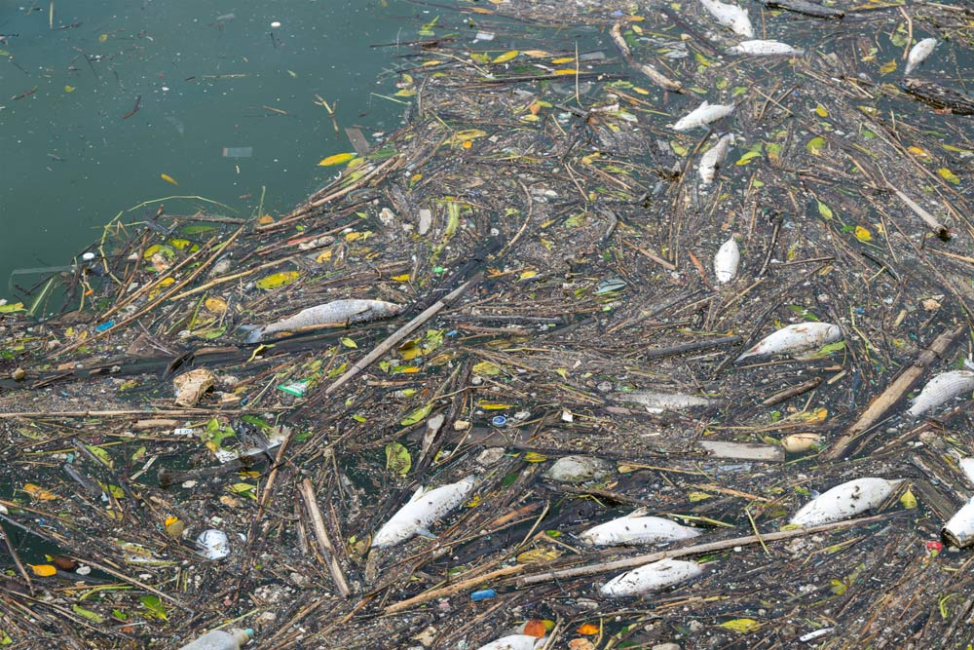
Stormwater runoff can cause fish kills through a combination of physical, chemical, and biological mechanisms that alter aquatic environments beyond the tolerance limits of fish and other aquatic organisms. These impacts are often rapid, episodic, and closely tied to precipitation events, especially in urbanized or developed watersheds where impervious surfaces accelerate runoff and increase pollutant transport.
One of the most common causes of fish kills associated with stormwater is dissolved oxygen depletion. During rainfall events, runoff carries organic matter such as leaves, grass clippings, sewage overflows, animal waste, and other biodegradable materials into receiving waters. Microorganisms rapidly decompose this material, consuming dissolved oxygen in the process. This increased biological oxygen demand can reduce oxygen concentrations to levels insufficient to support fish respiration, leading to hypoxic or anoxic conditions. Fish species vary in their tolerance, but many will experience stress, suffocation, and death when oxygen levels fall below critical thresholds.
Stormwater runoff also introduces a wide range of toxic pollutants that can directly poison fish. These include heavy metals such as copper, zinc, and lead from roadways and industrial areas, hydrocarbons from petroleum products, pesticides and herbicides from landscaped areas, and various industrial chemicals. During storm events, these pollutants are often delivered in concentrated pulses known as “first flush” events, where the initial runoff mobilizes accumulated contaminants from impervious surfaces. Acute exposure to these substances can damage fish gills, disrupt physiological processes, impair reproduction, and result in rapid mortality.
Another major factor is thermal pollution. Runoff flowing over heated surfaces such as asphalt and concrete can significantly increase water temperatures before entering streams, particularly during summer storms. Sudden increases in temperature reduce the solubility of oxygen in water while simultaneously increasing fish metabolic rates, thereby increasing their oxygen demand at the exact time when less oxygen is available. This combination can be lethal, especially for cold-water species such as trout, which are highly sensitive to temperature fluctuations.
Sedimentation and turbidity also play a role in fish kills. Stormwater can carry large amounts of suspended solids, including soil, construction debris, and organic particles, into waterways. Elevated turbidity reduces light penetration, impairing photosynthesis in aquatic plants and algae, which in turn reduces oxygen production. Fine sediments can clog fish gills, causing physical stress and reducing their ability to extract oxygen from the water. In addition, sediment deposition can smother benthic habitats and fish eggs, disrupting reproductive cycles and reducing long-term population viability.
Stormwater runoff can further contribute to fish kills through nutrient loading, particularly nitrogen and phosphorus. These nutrients promote excessive algal and cyanobacterial growth, leading to algal blooms. While blooms themselves can create unfavorable conditions, the most severe impacts occur when the algae die and decompose, again driving down dissolved oxygen levels. Some cyanobacteria also produce toxins that can directly harm fish and other aquatic life.
In urban areas, illicit discharges and combined sewer overflows can exacerbate the problem during storm events. These sources introduce untreated or partially treated wastewater into receiving waters, adding pathogens, ammonia, and high levels of organic matter. Ammonia, in particular, is highly toxic to fish and can cause gill damage and mortality even at relatively low concentrations.
Hydrologic changes caused by stormwater runoff can also contribute to fish kills through rapid changes in flow conditions. Increased runoff volumes and velocities can cause streambank erosion, habitat disruption, and physical displacement of fish. Sudden surges can strand fish in isolated pools as water levels recede or flush them into unsuitable habitats. These hydraulic stresses can weaken fish, making them more susceptible to other stressors such as low oxygen or pollutants.
Finally, stormwater runoff can alter water chemistry, including pH and conductivity. Acidic runoff, particularly in areas affected by acid rain or certain soil conditions, can lower stream pH to levels that are harmful to fish. Changes in ionic balance can interfere with fish osmoregulation, leading to physiological stress or death.
In many cases, fish kills are not caused by a single factor but rather by the combined effects of multiple stressors occurring simultaneously during and after storm events. For example, a storm may introduce organic pollutants that deplete oxygen, raise water temperatures, and deliver toxic substances all at once. The cumulative impact can overwhelm even relatively resilient fish populations.
Understanding these mechanisms is essential for effective stormwater management. Practices such as green infrastructure, detention and retention systems, pollutant source control, and erosion prevention are critical in reducing the frequency and severity of fish kills by mitigating the quantity and improving the quality of stormwater entering aquatic ecosystems.