

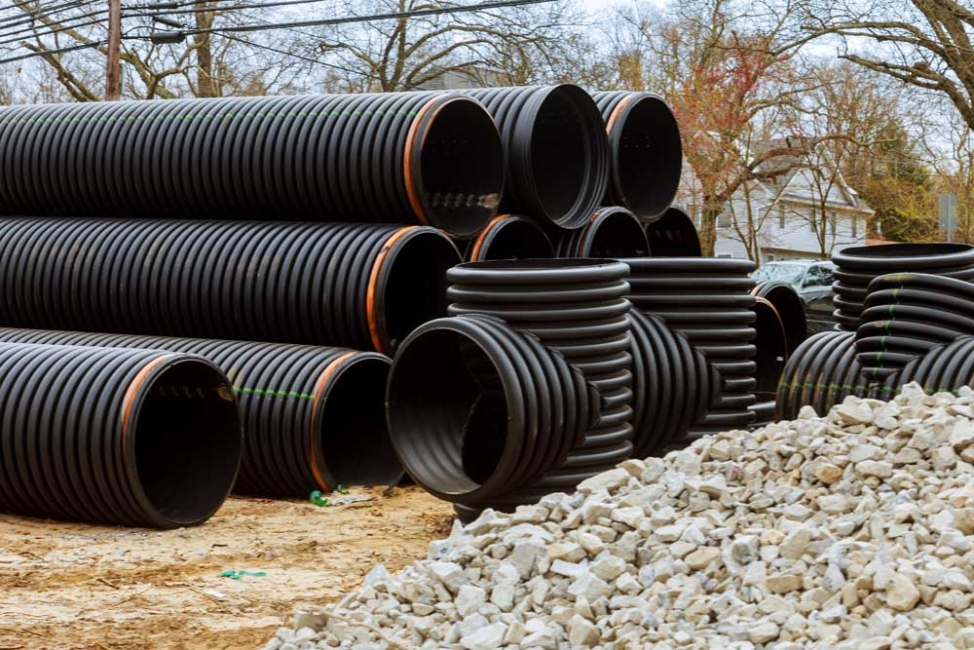
Stormwater culverts come in a wide range of materials, and each type carries a unique combination of strength, lifespan, cost, and installation considerations. Choosing the right material is not a one size fits all choice, because every site presents different soil conditions, hydraulic needs, environmental pressures, and budget constraints. A well selected culvert can function for decades with minimal trouble, while a poorly matched material can deform, corrode, clog, or fail long before its expected service life.
High density polyethylene, commonly known as HDPE, has become one of the most popular culvert materials in recent decades. Contractors appreciate it for its light weight, its corrosion resistance, and the ease with which it can be transported and installed, even in locations without large equipment. The smooth interior wall of double-wall HDPE pipe allows water to pass efficiently, reducing the chance of sediment settling inside the barrel. HDPE is flexible, which means it can tolerate some shifting or settling without cracking. On the other hand, its flexibility can be a drawback when the installation lacks proper bedding and compaction, because a poorly supported pipe may deform under heavy loads. HDPE also has a limited tolerance for ultraviolet light, so exposed sections must be protected. In most municipal applications, it serves well for driveways, roadside drainage, cross culverts, and stormwater conveyance where soils are stable and installation practices are sound. (Note: if you require the smooth inner lining - which you typically do - make certian you order double-wall, not single-wall HDPE culvert pipe.)
Galvanized corrugated metal pipe has a long history in drainage work. Its strength under load makes it a dependable choice under roadways and driveways, especially where heavy traffic is expected. The corrugations add structural rigidity that helps the pipe resist crushing. Galvanized steel, however, is vulnerable to corrosion over time, particularly in sites with acidic soils, salt use, or constant moisture. Salt laden runoff from winter roads can accelerate deterioration, reducing the life expectancy. When conditions are favorable and corrosion is not a major threat, galvanized metal remains a cost effective and strong option for culverts that must carry vehicles or endure substantial backfill depth. In more aggressive soil conditions, aluminized steel or polymer coated steel alternatives may lengthen the service life and help protect the pipe from rust.
Reinforced concrete pipe is the workhorse of the drainage world when the goal is longevity and structural strength. Concrete is not prone to corrosion, and in many installations it can operate for half a century or longer with very little trouble. The rigidity of concrete allows it to span weak or unstable soils because the pipe carries its load without relying heavily on the surrounding soils for support. This same rigidity can be a weakness if soils shift and cause sections to settle unevenly, because concrete can crack when subjected to bending forces. Concrete pipe is heavy, which drives up transportation and installation costs and usually requires significant equipment on site. Despite the extra effort, many municipalities favor concrete for large diameter culverts, long term installations, and locations where failure would be severe or dangerous.
Clay culverts, sometimes referred to as vitrified clay pipe, are less common today but still found in older systems and certain specialized settings. Clay is naturally resistant to chemical corrosion, making it suitable in environments where other materials would degrade. It also stands up well to abrasive flows. The drawback is its brittleness, because clay pipe can crack or break if subjected to impact or shifting ground. Sections tend to be short, and joints can allow root intrusion or leakage when they age. Clay is rarely used for new stormwater installations today, but it remains part of the drainage landscape in historic systems and may still be selected where chemical resistance is a priority.
Aluminum culverts offer a lighter alternative to steel while maintaining good corrosion resistance. They perform well in environments with acidic water or soils that would quickly eat away at galvanized steel. Aluminum is easier to handle on site due to its lower weight. It is not as strong as steel, and it can be more expensive, so municipalities usually choose it for situations where corrosion resistance is the deciding factor rather than structural strength. Its lighter weight and resistance to rust make it suitable for moderate load conditions or remote locations where moving heavy materials would be difficult.
Polymer coated or plastic lined metal pipe represents another category that blends the strength of corrugated steel with added protection from corrosion. These coatings shield the steel from corrosive water and soils and can dramatically extend the lifespan. When maintained properly and installed in challenging environments, polymer coated metal can offer both durability and structural reliability. This type of culvert is often chosen for installations that require the load bearing capability of metal but face corrosive conditions that would destroy uncoated steel.
Selecting the best culvert material always comes back to matching the pipe to the site. HDPE excels where corrosion resistance and flexibility matter. Galvanized or coated steel is often the best choice under roadways when high loads require strong structural performance. Concrete is the long life option for critical crossings or large diameter flows. Clay and aluminum fill more specialized roles based on their particular strengths. Understanding how each material behaves in different environmental and loading conditions helps ensure that stormwater systems remain reliable, safe, and functional for years to come.