

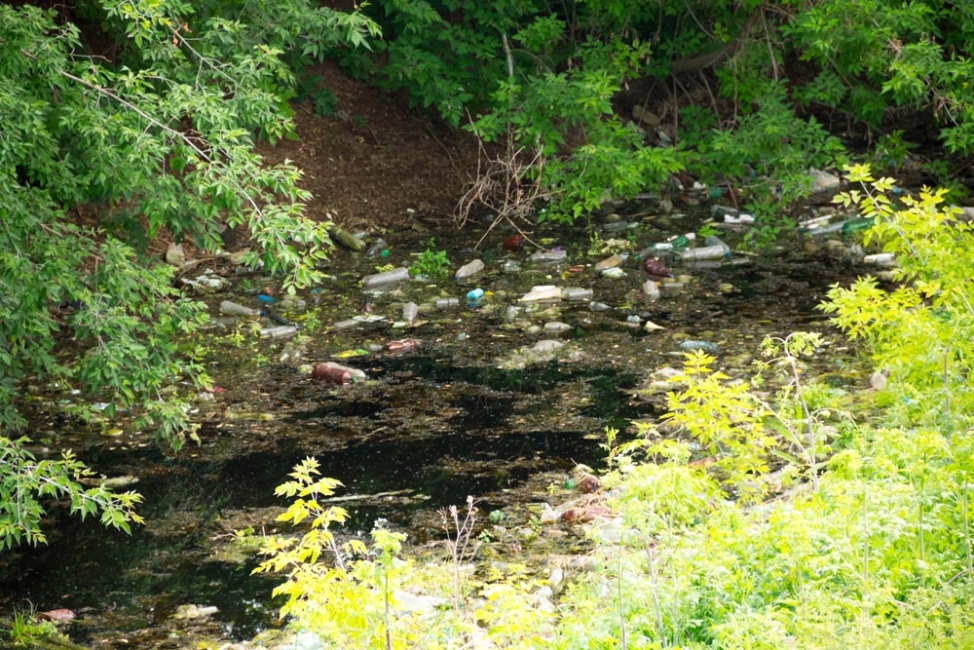
Stormwater runoff is one of the leading causes of water pollution in the United States. As rainfall or snowmelt flows over impervious surfaces such as roads, parking lots, and rooftops, it collects a wide array of pollutants that are carried into local waterways through storm drain systems. Understanding the common contaminants found in runoff is essential for municipalities, environmental agencies, and residents working to protect local water quality and comply with MS4 (Municipal Separate Storm Sewer System) regulations.
Sources: Fertilizers from lawns and agricultural fields, pet waste, failing septic systems.
Impacts: Excess nutrients promote algal blooms that deplete oxygen in water bodies, leading to fish kills and habitat degradation - a process known as eutrophication. These blooms may also produce harmful toxins that threaten human and animal health.
Reference: U.S. EPA, Nutrient Pollution
Sources: Construction sites, bare soil, unpaved roads, and agricultural fields.
Impacts: Sediment clouds waterways, reducing sunlight penetration and harming aquatic plants. It can also smother fish spawning grounds and transport other pollutants like heavy metals and nutrients.
Reference: U.S. EPA, National Management Measures to Control Nonpoint Source Pollution
Sources: Vehicle brake pads, industrial activity, roofing materials, and atmospheric deposition.
Impacts: Toxic to aquatic life even at low concentrations, heavy metals can bioaccumulate in organisms and pose long-term ecological and health risks.
Reference: National Research Council (2009). Urban Stormwater Management in the United States.
Sources: Vehicle leaks, road surfaces, parking lots, gas stations.
Impacts: Hydrocarbons can be toxic to fish and invertebrates, degrade water quality, and create visible surface sheens that reduce oxygen exchange.
Reference: U.S. Geological Survey, Oil and Grease in Stormwater
Sources: Pet waste, wildlife, leaking sanitary sewers, and illicit connections.
Impacts: Pathogens in runoff can contaminate recreational waters and shellfish beds, posing health risks to swimmers and those who consume untreated or undercooked seafood.
Reference: Centers for Disease Control and Prevention (CDC), Water-related Diseases and Contaminants in Public Water Systems
Sources: Littering, overflowing bins, and illegal dumping.
Impacts: Trash in stormwater systems can block infrastructure, contribute to localized flooding, and harm wildlife that ingest or become entangled in debris.
Reference: NOAA Marine Debris Program, Land-Based Sources
Sources: Deicing operations in winter.
Impacts: Elevated chloride levels are toxic to many freshwater species and can persist in the environment long after snowmelt.
Reference: U.S. EPA, Secondary Drinking Water Standards: Guidance for Nuisance Chemicals
Controlling stormwater pollution requires a combination of public education, responsible land use practices, proper infrastructure maintenance, and regulatory enforcement. A proactive approach to runoff pollution not only protects the environment but also safeguards public health and avoids costly enforcement actions.