

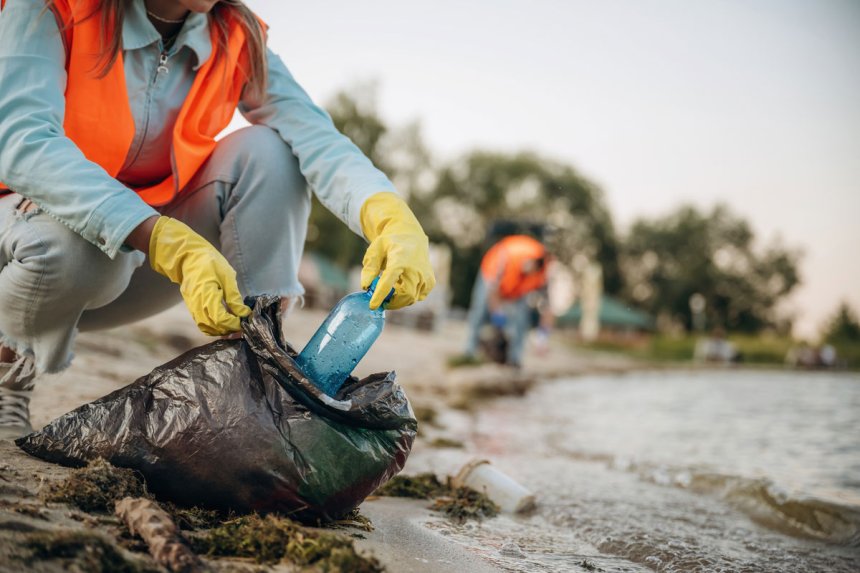
One of the greatest challenges facing municipal stormwater programs is finding meaningful ways to engage residents in protecting local waterways. Public education campaigns are important, but brochures, websites, and social media posts often struggle to create lasting behavioral change. People are far more likely to care about a stream when they have spent time beside it, picked up litter from its banks, observed wildlife, and witnessed firsthand how stormwater affects water quality.
An Adopt-a-Stream program transforms residents from passive observers into active stewards. By encouraging individuals, families, schools, businesses, scout troops, civic organizations, and neighborhood groups to care for a specific section of stream, municipalities can improve water quality, reduce maintenance costs, strengthen community relationships, and satisfy important Municipal Separate Storm Sewer System (MS4) public participation requirements. A well-designed Adopt-a-Stream program does much more than organize litter cleanups. It creates a long-term partnership between the municipality and its citizens to protect one of the community's most valuable natural resources.
An Adopt-a-Stream program allows volunteers to formally "adopt" a designated section of stream, creek, river, drainage channel, or shoreline. Participants agree to monitor and care for their adopted section through regular activities such as:
Rather than asking volunteers to solve every problem themselves, the program encourages them to become the municipality's eyes and ears along local waterways.
Streams often suffer from "out of sight, out of mind" neglect. Small pollution problems may go unnoticed for months or years before municipal staff discover them. Volunteer stewards dramatically increase the number of people regularly observing local waterways.
They may notice:
Early reporting often allows municipalities to address small problems before they become expensive emergencies.
Many MS4 permits require municipalities to implement public education and public participation initiatives.
An Adopt-a-Stream program supports several Minimum Control Measures (MCMs), particularly:
Volunteer participation can demonstrate measurable community engagement during permit reporting.
Municipalities should maintain records including:
These metrics help demonstrate permit compliance while showcasing community involvement.
Not every stream is suitable for public adoption.
Municipalities should prioritize locations that are:
Avoid assigning areas with steep banks, dangerous currents, unstable slopes, or other hazards. Some communities divide larger waterways into manageable half-mile or one-mile sections that can be assigned individually.
Successful programs recruit from many different parts of the community.
Potential partners include:
Businesses often welcome opportunities for employee volunteer days, especially when they receive public recognition for their participation.
One reason volunteer programs fail is excessive bureaucracy. Keep enrollment straightforward.
A typical adoption agreement should include:
Avoid unnecessary paperwork that discourages participation.
Most programs ask volunteers to visit their adopted stream several times each year.
Activities might include:
Volunteers should never be expected to perform hazardous work or remove large debris requiring heavy equipment.
Volunteer safety must always come first.
Participants should be instructed to:
Municipal staff should provide clear emergency contact information.
Even a short orientation can greatly improve volunteer effectiveness.
Training topics may include:
Many municipalities provide a one-hour annual training session before cleanup season begins.
Providing a few basic supplies helps volunteers succeed.
Typical supplies include:
Some municipalities also loan water quality testing kits to interested volunteer groups.
One of the most valuable aspects of an Adopt-a-Stream program is the information volunteers collect.
Provide multiple reporting options such as:
Encourage volunteers to include:
Quick reporting increases the likelihood that municipal staff can respond promptly.
Recognition keeps volunteers engaged.
Ideas include:
People appreciate knowing their work makes a difference.
Good programs track measurable outcomes.
Possible performance measures include:
Tracking these numbers helps justify continued funding while demonstrating environmental improvements.
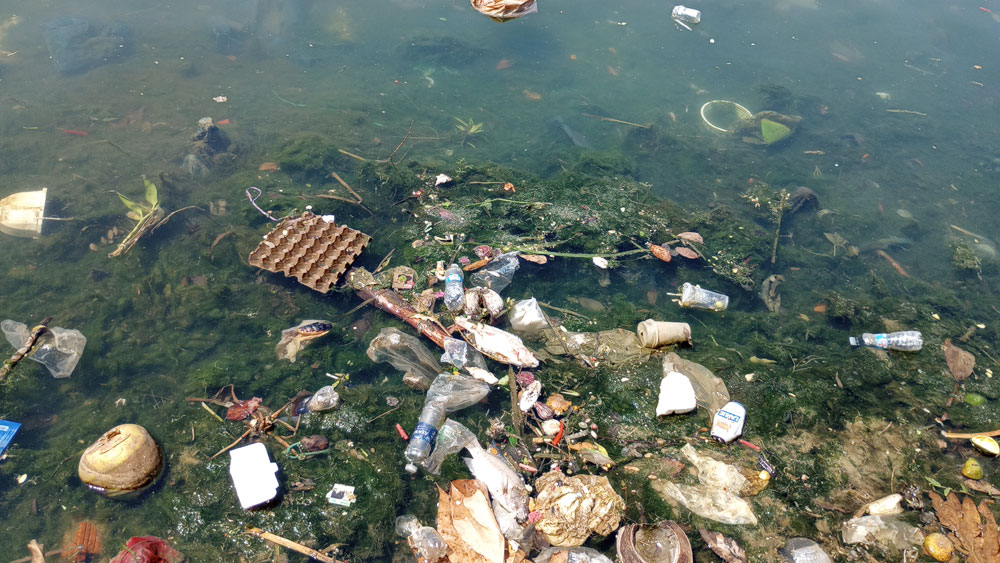
The greatest benefit of an Adopt-a-Stream program is not the trash collected during a Saturday morning cleanup. It is the development of long-term environmental stewardship throughout the community. Residents who regularly visit streams begin to notice seasonal changes, recognize pollution problems, appreciate wildlife, and understand how everyday actions affect water quality. Children who participate often carry those lessons into adulthood, creating a new generation of informed citizens who value clean waterways. Over time, these volunteers become advocates for watershed protection, encouraging responsible fertilizer use, proper disposal of household chemicals, pet waste cleanup, native landscaping, and other practices that reduce stormwater pollution.
An Adopt-a-Stream program is one of the most cost-effective outreach initiatives available to municipalities. While it requires planning, coordination, and ongoing communication, the financial investment is modest compared to the environmental, educational, and operational benefits it can provide. For MS4 communities, the program helps satisfy permit requirements while fostering meaningful public participation. For public works departments, it creates an expanded network of observant citizens who can identify problems before they become emergencies. For residents, it offers an opportunity to develop a personal connection with the streams that flow through their neighborhoods.
When municipalities invite citizens to become active partners in protecting local waterways, they cultivate more than cleaner streams. They build stronger communities, encourage environmental responsibility, and demonstrate that effective stormwater management is a shared responsibility that extends far beyond the storm drain.