

The Municipal Separate Storm Sewer System (MS4) program is one of the cornerstones of stormwater regulation in the United States. Established under the federal Clean Water Act and administered through the National Pollutant Discharge Elimination System (NPDES), the MS4 program requires municipalities to actively reduce pollutants entering rivers, lakes, streams, wetlands, and coastal waters through their storm sewer systems.
Unlike wastewater treatment plants, municipal storm sewer systems generally discharge untreated stormwater directly into nearby waterways. As rain and snowmelt flow across roads, parking lots, rooftops, and developed landscapes, they collect sediment, nutrients, petroleum products, heavy metals, road salt, bacteria, pesticides, trash, and countless other pollutants. Without effective management, these contaminants degrade water quality, harm aquatic ecosystems, and contribute to flooding and erosion.
To address these issues, federal regulations require regulated MS4 operators to develop a Stormwater Management Program (SWMP) built around six fundamental components known as the Six Minimum Control Measures (MCMs). Although permit requirements vary somewhat from state to state, these six measures form the foundation of nearly every MS4 permit in the country. Together, they represent a comprehensive approach that combines education, regulation, infrastructure maintenance, planning, enforcement, and public involvement to reduce polluted stormwater runoff.
The Municipal Separate Storm Sewer System (MS4) program is one of the cornerstones of stormwater regulation in the United States. Established under the federal Clean Water Act and administered through the National Pollutant Discharge Elimination System (NPDES), the MS4 program requires municipalities to actively reduce pollutants entering rivers, lakes, streams, wetlands, and coastal waters through their storm sewer systems.
Unlike wastewater treatment plants, municipal storm sewer systems generally discharge untreated stormwater directly into nearby waterways. As rain and snowmelt flow across roads, parking lots, rooftops, and developed landscapes, they collect sediment, nutrients, petroleum products, heavy metals, road salt, bacteria, pesticides, trash, and countless other pollutants. Without effective management, these contaminants degrade water quality, harm aquatic ecosystems, and contribute to flooding and erosion.
To address these issues, federal regulations require regulated MS4 operators to develop a Stormwater Management Program (SWMP) built around six fundamental components known as the Six Minimum Control Measures (MCMs). Although permit requirements vary somewhat from state to state, these six measures form the foundation of nearly every MS4 permit in the country. Together, they represent a comprehensive approach that combines education, regulation, infrastructure maintenance, planning, enforcement, and public involvement to reduce polluted stormwater runoff.
Stormwater pollution cannot be solved by municipal governments alone. Much of the pollution entering storm drains originates from everyday activities performed by residents, businesses, contractors, and institutions. For this reason, the first minimum control measure focuses on educating the public about how their actions affect local waterways. Many people do not realize that storm drains typically discharge directly into streams or lakes without treatment. Washing a car in the driveway, overapplying fertilizer, dumping paint into a catch basin, allowing pet waste to remain on sidewalks, or failing to control erosion during landscaping projects all contribute to stormwater pollution. A successful education program helps residents understand these connections and encourages voluntary behavior changes.
Educational efforts may include:
Many communities also tailor messages to specific audiences such as homeowners, contractors, landscapers, farmers, businesses, or municipal employees. The goal is simple: prevent pollution before it enters the stormwater system.
Education alone is rarely enough. Communities are far more successful when residents become active participants in protecting local watersheds. The second minimum control measure encourages municipalities to involve citizens directly in stormwater management activities. Public participation creates a sense of ownership while expanding the municipality's ability to monitor and improve local water resources.
Common public participation activities include:
Many municipalities partner with schools, environmental organizations, watershed associations, conservation districts, and volunteer groups to expand their outreach efforts. Citizen science programs also allow volunteers to collect valuable environmental data while increasing awareness of local water quality issues.
One of the most important components of every MS4 program is identifying and eliminating illicit discharges. An illicit discharge is any discharge into a municipal storm sewer system that is not composed entirely of stormwater, with limited exceptions such as firefighting activities or authorized discharges.
Examples include:
Because storm sewer systems generally discharge directly into receiving waters, even relatively small illicit discharges can create serious environmental problems. A comprehensive IDDE program typically includes several components.
Municipalities maintain accurate maps showing storm drains, pipes, culverts, outfalls, detention facilities, and receiving waters. These maps allow inspectors to trace suspicious discharges upstream to their source.
Municipal staff routinely inspect stormwater outfalls during dry weather. Flow during dry weather often indicates an illicit discharge because storm sewer systems should normally only convey runoff after precipitation events.
Inspectors evaluate:
Water samples may also be collected to identify pollutants.
Once an illicit discharge is identified, municipalities investigate its source and require corrective action. Many permits require written enforcement procedures that include notices of violation, compliance schedules, penalties, and follow-up inspections.
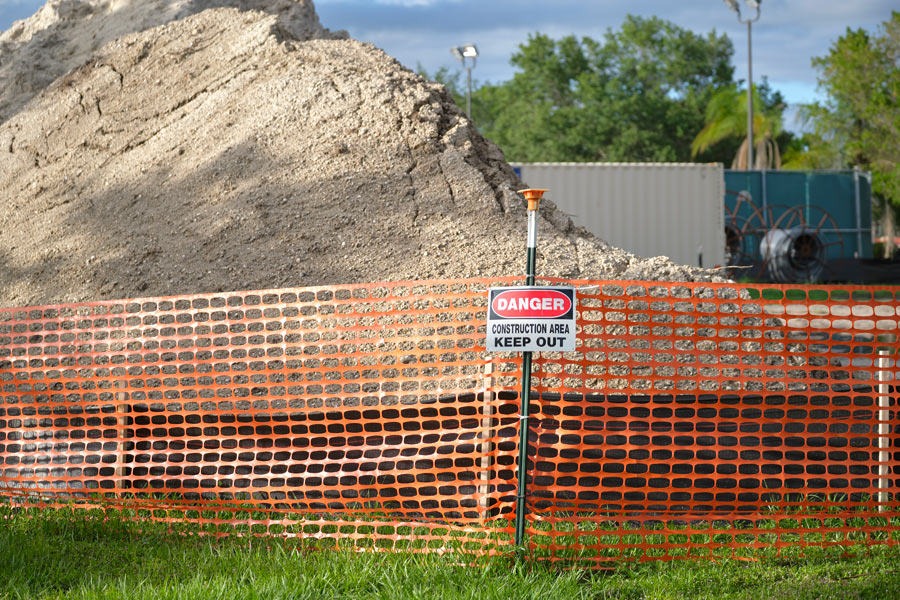
Construction sites are among the largest sources of sediment pollution in many watersheds. Removing vegetation and disturbing soil dramatically increases erosion during rainfall events.
Sediment entering streams can:
This minimum control measure requires municipalities to regulate erosion and sediment control practices on construction sites.
Typical practices include:
Municipal inspectors monitor construction sites throughout the project to ensure erosion controls are installed, maintained, and functioning properly. Projects generally require final stabilization before permits can be closed.
Once construction is complete, stormwater management does not end. Developed properties continue generating runoff for decades, making permanent stormwater controls essential. This minimum control measure requires municipalities to establish long-term stormwater management requirements for new development and redevelopment projects.
Common post-construction practices include:
Unlike temporary erosion controls, these systems remain in place permanently and require regular inspection and maintenance. Many municipalities also require recorded maintenance agreements to ensure future property owners continue maintaining stormwater practices throughout their lifespan. This measure increasingly emphasizes green infrastructure because it manages runoff closer to where rainfall occurs while providing additional environmental benefits.
Municipal governments operate numerous facilities and activities that can generate stormwater pollution if not properly managed. The final minimum control measure focuses on reducing pollution generated by the municipality itself.
This often begins with evaluating routine operations such as:
Street sweeping removes sediment, leaves, trash, and pollutants before they wash into storm drains. Proper ditch maintenance, catch basin cleaning, and culvert inspections also improve stormwater system performance.
Salt storage, brine production, snow disposal practices, and winter maintenance operations are evaluated to minimize chloride pollution while maintaining public safety. Many municipalities now use calibrated spreaders, pre-wetting, and anti-icing strategies to reduce overall salt usage.
Public works garages, vehicle maintenance shops, salt storage buildings, fueling stations, equipment yards, parks, and transfer stations all require proper stormwater pollution prevention practices.
These may include:
Municipal employees play an essential role in protecting water quality.
Training programs often cover:
Well-trained employees help prevent pollution before it reaches the storm sewer system.
Although each control measure addresses a different aspect of stormwater management, they are designed to function as an integrated program.
Public education encourages pollution prevention. Public participation expands community involvement. Illicit discharge programs eliminate contaminated flows. Construction controls prevent erosion during development. Post-construction management reduces long-term runoff impacts. Municipal housekeeping ensures government operations lead by example. Together, these measures address both the human behaviors and infrastructure systems that influence stormwater quality throughout an entire community.
While municipalities often view the Six Minimum Control Measures as regulatory requirements, they represent far more than a compliance checklist. When implemented effectively, they create healthier watersheds, reduce flooding, improve water quality, protect aquatic ecosystems, and strengthen community resilience.
Many communities have discovered that investing in proactive stormwater management reduces long-term infrastructure costs, improves public engagement, and creates more attractive neighborhoods. Green infrastructure, improved maintenance practices, public education, and watershed restoration often produce benefits that extend well beyond permit compliance.
As climate change brings more intense rainfall events and increasing pressure on aging infrastructure, the Six Minimum Control Measures provide municipalities with a proven framework for managing stormwater in a way that protects both people and the environment. By viewing these measures as opportunities rather than obligations, communities can transform their stormwater programs into long-term investments in clean water, resilient infrastructure, and sustainable growth.
Stormwater pollution cannot be solved by municipal governments alone. Much of the pollution entering storm drains originates from everyday activities performed by residents, businesses, contractors, and institutions. For this reason, the first minimum control measure focuses on educating the public about how their actions affect local waterways. Many people do not realize that storm drains typically discharge directly into streams or lakes without treatment. Washing a car in the driveway, overapplying fertilizer, dumping paint into a catch basin, allowing pet waste to remain on sidewalks, or failing to control erosion during landscaping projects all contribute to stormwater pollution. A successful education program helps residents understand these connections and encourages voluntary behavior changes.
Educational efforts may include:
Many communities also tailor messages to specific audiences such as homeowners, contractors, landscapers, farmers, businesses, or municipal employees. The goal is simple: prevent pollution before it enters the stormwater system.
Education alone is rarely enough. Communities are far more successful when residents become active participants in protecting local watersheds. The second minimum control measure encourages municipalities to involve citizens directly in stormwater management activities. Public participation creates a sense of ownership while expanding the municipality's ability to monitor and improve local water resources.
Common public participation activities include:
Many municipalities partner with schools, environmental organizations, watershed associations, conservation districts, and volunteer groups to expand their outreach efforts. Citizen science programs also allow volunteers to collect valuable environmental data while increasing awareness of local water quality issues.
One of the most important components of every MS4 program is identifying and eliminating illicit discharges. An illicit discharge is any discharge into a municipal storm sewer system that is not composed entirely of stormwater, with limited exceptions such as firefighting activities or authorized discharges.
Examples include:
Because storm sewer systems generally discharge directly into receiving waters, even relatively small illicit discharges can create serious environmental problems. A comprehensive IDDE program typically includes several components.
Municipalities maintain accurate maps showing storm drains, pipes, culverts, outfalls, detention facilities, and receiving waters. These maps allow inspectors to trace suspicious discharges upstream to their source.
Municipal staff routinely inspect stormwater outfalls during dry weather. Flow during dry weather often indicates an illicit discharge because storm sewer systems should normally only convey runoff after precipitation events.
Inspectors evaluate:
Water samples may also be collected to identify pollutants.
Once an illicit discharge is identified, municipalities investigate its source and require corrective action. Many permits require written enforcement procedures that include notices of violation, compliance schedules, penalties, and follow-up inspections.
Construction sites are among the largest sources of sediment pollution in many watersheds. Removing vegetation and disturbing soil dramatically increases erosion during rainfall events.
Sediment entering streams can:
This minimum control measure requires municipalities to regulate erosion and sediment control practices on construction sites.
Typical practices include:
Municipal inspectors monitor construction sites throughout the project to ensure erosion controls are installed, maintained, and functioning properly. Projects generally require final stabilization before permits can be closed.
Once construction is complete, stormwater management does not end. Developed properties continue generating runoff for decades, making permanent stormwater controls essential. This minimum control measure requires municipalities to establish long-term stormwater management requirements for new development and redevelopment projects.
Common post-construction practices include:
Unlike temporary erosion controls, these systems remain in place permanently and require regular inspection and maintenance. Many municipalities also require recorded maintenance agreements to ensure future property owners continue maintaining stormwater practices throughout their lifespan. This measure increasingly emphasizes green infrastructure because it manages runoff closer to where rainfall occurs while providing additional environmental benefits.
Municipal governments operate numerous facilities and activities that can generate stormwater pollution if not properly managed. The final minimum control measure focuses on reducing pollution generated by the municipality itself.
This often begins with evaluating routine operations such as:
Street sweeping removes sediment, leaves, trash, and pollutants before they wash into storm drains. Proper ditch maintenance, catch basin cleaning, and culvert inspections also improve stormwater system performance.
Salt storage, brine production, snow disposal practices, and winter maintenance operations are evaluated to minimize chloride pollution while maintaining public safety. Many municipalities now use calibrated spreaders, pre-wetting, and anti-icing strategies to reduce overall salt usage.
Public works garages, vehicle maintenance shops, salt storage buildings, fueling stations, equipment yards, parks, and transfer stations all require proper stormwater pollution prevention practices.
These may include:
Municipal employees play an essential role in protecting water quality.
Training programs often cover:
Well-trained employees help prevent pollution before it reaches the storm sewer system.
Although each control measure addresses a different aspect of stormwater management, they are designed to function as an integrated program.
Public education encourages pollution prevention. Public participation expands community involvement. Illicit discharge programs eliminate contaminated flows. Construction controls prevent erosion during development. Post-construction management reduces long-term runoff impacts. Municipal housekeeping ensures government operations lead by example. Together, these measures address both the human behaviors and infrastructure systems that influence stormwater quality throughout an entire community.
While municipalities often view the Six Minimum Control Measures as regulatory requirements, they represent far more than a compliance checklist. When implemented effectively, they create healthier watersheds, reduce flooding, improve water quality, protect aquatic ecosystems, and strengthen community resilience.
Many communities have discovered that investing in proactive stormwater management reduces long-term infrastructure costs, improves public engagement, and creates more attractive neighborhoods. Green infrastructure, improved maintenance practices, public education, and watershed restoration often produce benefits that extend well beyond permit compliance.
As climate change brings more intense rainfall events and increasing pressure on aging infrastructure, the Six Minimum Control Measures provide municipalities with a proven framework for managing stormwater in a way that protects both people and the environment. By viewing these measures as opportunities rather than obligations, communities can transform their stormwater programs into long-term investments in clean water, resilient infrastructure, and sustainable growth.