Articles Tagged: Best Management Practices

From Pipes to Plants: How Cities Transition Stormwater Budgets to Nature-Based Solutions

From Pipes to Plants: How Cities Transition Stormwater Budgets to Nature-Based Solutions

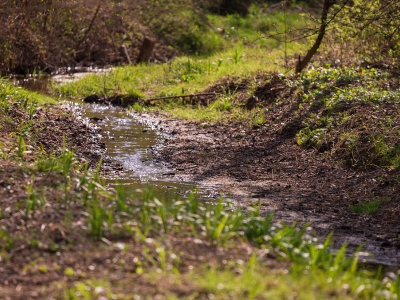
For much of the last century, stormwater management followed a simple philosophy: collect runoff as quickly as possible and move it downstream through pipes, ditches, culverts, and channels. Success was often measured by how rapidly water could be removed from streets and developed areas. That appro…

continue
Why Municipal Governments Should Ban Lawn Fertilizers and Chemicals on Waterfront Properties

Why Municipal Governments Should Ban Lawn Fertilizers and Chemicals on Waterfront Properties

Waterfront properties are among a community's most valuable and desirable lands. They offer scenic views, recreational opportunities, and direct access to lakes, rivers, ponds, and coastal waters. Yet the landscaping practices commonly used to maintain these properties can unintentionally become…

continue
Thermal Pollution and Stormwater Runoff: Impacts and Mitigation Strategies

Thermal Pollution and Stormwater Runoff: Impacts and Mitigation Strategies

When most people think about stormwater pollution, they think of sediment, nutrients, oils, trash, or road salt. However, heat itself can be a pollutant. Thermal pollution occurs when stormwater runoff becomes significantly warmer than the natural receiving waters it eventually enters. Elevated wate…

continue
Why Municipalities Should Label Storm Drain Inlets

Why Municipalities Should Label Storm Drain Inlets

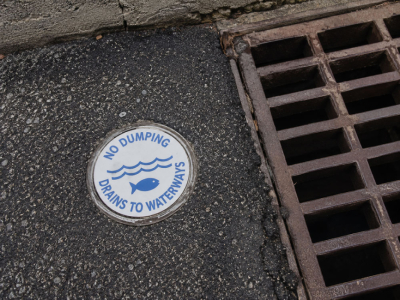
Most storm drain inlets quietly collect and convey runoff without attracting much attention from the public. To many residents, a storm drain is simply another opening in the curb or grate in the pavement. What many people do not realize, however, is that storm drains in most municipalities discharg…

continue
The Value of Vigilance: How Road Crews Prevent Culvert Failures Before They Happen

The Value of Vigilance: How Road Crews Prevent Culvert Failures Before They Happen

In stormwater management, some of the most serious failures begin as subtle warning signs that are easy to overlook unless someone is paying close attention. A cross culvert that appears nearly full on a dry day, with no recent rainfall to explain elevated water levels, is one of those warning signs…

continue
Small Streams, Big Consequences: Why Culvert Replacement Requires More Than a Pipe Swap

Small Streams, Big Consequences: Why Culvert Replacement Requires More Than a Pipe Swap

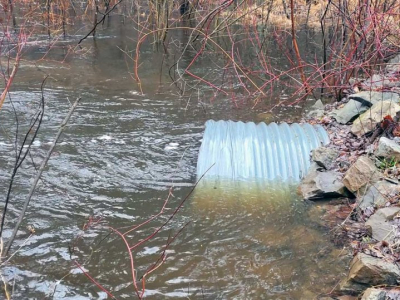
Across towns and counties, road departments replace cross culverts every day. The motivation is usually sound. Aging pipes fail without warning, and a collapse beneath the roadway can create a serious safety hazard, not to mention an expensive emergency repair. Proactive replacement is responsible a…

continue
Street Sweeping and MS4 Compliance: The Quiet Work That Protects Our Waters

Street Sweeping and MS4 Compliance: The Quiet Work That Protects Our Waters

Street sweeping rarely gets much attention. It is slow, repetitive work, often done in the early morning hours, and the equipment itself can be temperamental and expensive to maintain. Sweepers are subject to constant wear, from abrasive debris, dust, and the mechanical strain of brushes, conveyors,…

continue
What Is a Bioswale and How Does It Work?

What Is a Bioswale and How Does It Work?

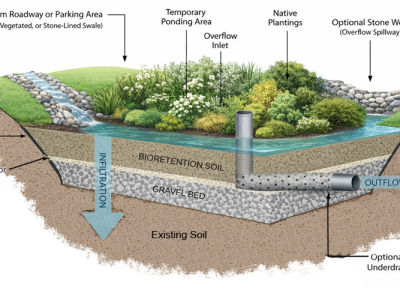
As communities look for sustainable ways to manage stormwater, bioswales have become one of the most effective and visually appealing tools in the green infrastructure toolbox. They blend natural processes with engineered design to slow, filter, and infiltrate stormwater before it reaches local wate…

continue
Infiltration BMP Inspections After Major Storms – A 24-Hour Checklist

Infiltration BMP Inspections After Major Storms – A 24-Hour Checklist

Infiltration-based best management practices, or BMPs, are designed to capture, store, and gradually infiltrate stormwater into the ground. These systems, which include bioretention basins, infiltration trenches, dry wells, and porous pavement systems, are particularly vulnerable during and immediat…

continue
The Hidden Costs of Fire Hydrant Flushing: Understanding the Negative Impacts

The Hidden Costs of Fire Hydrant Flushing: Understanding the Negative Impacts

Fire hydrant flushing is a common and often necessary practice for maintaining water distribution systems. Municipalities flush hydrants to remove sediment, verify system performance, and ensure adequate flow for firefighting. While these objectives are important, the practice can carry a range of u…

continue
Stormwater Asset Management and MS4 Compliance - Connecting the Dots

Stormwater Asset Management and MS4 Compliance - Connecting the Dots

Municipal Separate Storm Sewer System programs, commonly referred to as MS4 programs, are often viewed as regulatory obligations, while stormwater asset management is treated as an operational necessity. In reality, these two efforts are deeply interconnected. When properly aligned, a strong asset m…

continue
Installing a Catch Basin: A Step-by-Step Guide

Installing a Catch Basin: A Step-by-Step Guide

Is a Catch Basin Appropriate Here? Before a catch basin is installed, it is important to step back and ask a simple but often overlooked question, what purpose is it actually going to serve at this location? Catch basins are frequently installed out of habit or because “there has always been o…

continue