

When most people think about stormwater pollution, they think of sediment, nutrients, oils, trash, or road salt. However, heat itself can be a pollutant. Thermal pollution occurs when stormwater runoff becomes significantly warmer than the natural receiving waters it eventually enters. Elevated water temperatures can have profound effects on streams, rivers, lakes, wetlands, and the aquatic organisms that depend upon them.
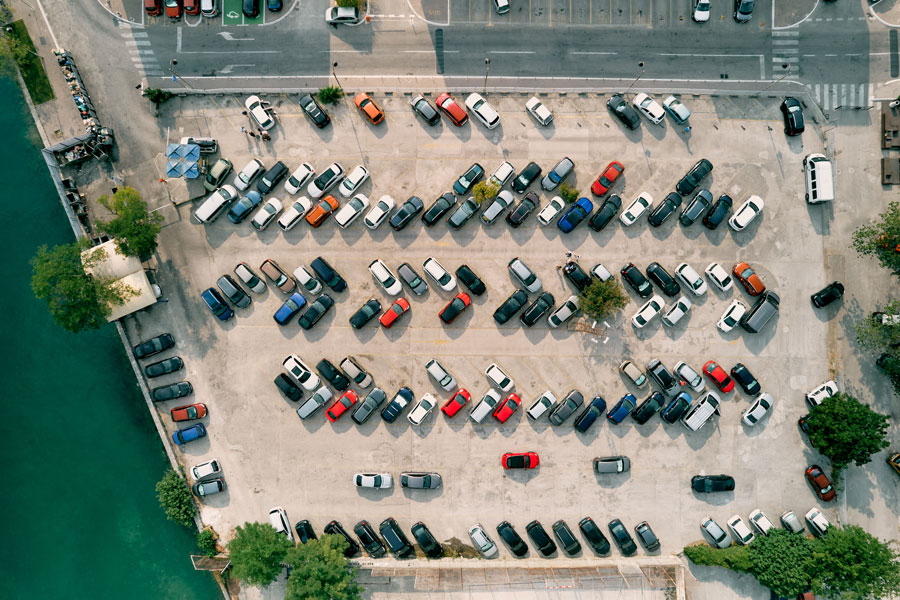
Urban development often increases the amount of heat absorbed and transferred to stormwater. Asphalt roads, parking lots, rooftops, sidewalks, and other impervious surfaces can become extremely hot during sunny weather. Rainfall flowing across these surfaces absorbs heat and carries it into nearby stormwater systems and waterbodies. In many developed watersheds, stormwater runoff can be several degrees warmer than natural runoff from forests, grasslands, or undeveloped landscapes. Because temperature directly affects water quality and aquatic ecosystems, thermal pollution has become an important consideration in modern stormwater management.
Thermal pollution is the degradation of water quality caused by changes in water temperature, particularly increases above natural conditions. In stormwater management, thermal pollution typically refers to the warming of runoff as it flows across heated impervious surfaces and through stormwater infrastructure before discharging into receiving waters. Although cooling can also alter aquatic environments, stormwater-related thermal pollution is almost always associated with elevated temperatures. Thermal pollution is often considered a form of nonpoint source pollution because it originates from widespread land-use activities rather than a single identifiable discharge location.
Numerous features of developed landscapes contribute to thermal pollution.
Roads, parking lots, driveways, sidewalks, rooftops, and other impervious surfaces absorb large amounts of solar radiation throughout the day. Surface temperatures on dark asphalt can exceed 140°F (60°C) during summer conditions. When rainfall occurs, stormwater rapidly absorbs this heat.
Some stormwater ponds, particularly shallow ponds with little shade, can become significantly warmer than natural waters. Water released from these facilities may contribute to downstream temperature increases.
Stormwater flowing through exposed pipes, channels, and conveyance systems may continue to absorb heat before reaching receiving waters.
Development often removes trees and vegetation along stream corridors. The resulting loss of shade allows greater solar heating of streams and stormwater facilities.
Urban areas often experience the "urban heat island" effect, where pavement, buildings, and other infrastructure raise overall ambient temperatures. This contributes to warmer runoff and warmer receiving waters.
Water temperature is one of the most important factors affecting aquatic ecosystems.
Temperature influences:
Many aquatic organisms have evolved to thrive within relatively narrow temperature ranges. Even small temperature increases can disrupt biological processes and alter ecosystem balance.
One of the most significant consequences of thermal pollution is reduced dissolved oxygen. Warm water cannot hold as much dissolved oxygen as cold water. As temperatures increase, oxygen concentrations decline. At the same time, aquatic organisms often require more oxygen because their metabolic rates increase in warmer conditions. This combination creates a stressful environment for fish, aquatic insects, and other organisms.
Low dissolved oxygen levels can lead to:
Many fish species are highly sensitive to temperature changes. Cold-water species such as trout and salmon require cool, well-oxygenated water.
Elevated temperatures can:
In severe cases, prolonged exposure to elevated temperatures can result in population declines or local extirpation of sensitive species. Even warm-water fish species can be negatively affected when temperatures exceed their preferred range.
Aquatic insects are critical components of freshwater ecosystems. They serve as food for fish and play important roles in nutrient cycling.
Thermal pollution can alter:
Sensitive species may disappear while more heat-tolerant species become dominant. These changes can ripple throughout the food web.
Warmer water often promotes increased algae growth.
Excessive algal growth can:
Thermal pollution can therefore amplify other water quality problems, especially in watersheds already impacted by nutrient pollution.
Streams naturally experience seasonal temperature fluctuations. However, rapid temperature increases associated with stormwater runoff can create thermal shocks. Thermal shock occurs when water temperature changes suddenly enough to stress or injure aquatic organisms. Stormwater discharges from hot urban surfaces can cause temperature spikes that exceed natural daily variations. Sensitive organisms may be unable to adapt to these abrupt changes. Over time, repeated thermal shocks can alter the entire structure of stream ecosystems.
Natural landscapes typically produce cooler runoff because rainfall infiltrates into soils, is intercepted by vegetation, or travels through shaded areas before reaching streams.
Urbanization alters these processes by:
As a result, runoff reaches receiving waters more quickly and at higher temperatures.
Effective thermal pollution management focuses on reducing runoff temperatures before water reaches streams, rivers, lakes, or wetlands.
One of the most effective thermal mitigation strategies is maintaining vegetated stream buffers.
Trees and shrubs provide shade that:
Riparian buffers are often considered among the most cost-effective long-term thermal management practices.
Infiltration practices allow runoff to soak into the ground where soil temperatures are generally cooler and more stable than surface temperatures.
Examples include:
Groundwater recharge also helps sustain cooler baseflow conditions in streams.
Bioretention facilities can significantly reduce thermal impacts by:
Vegetated systems generally produce cooler discharge than traditional stormwater conveyance systems.
Reducing the amount of pavement and rooftop area decreases the total surface available for heat absorption.
Strategies include:
Less impervious surface generally means cooler runoff.
Green infrastructure practices help mimic natural hydrology and reduce runoff temperatures.
Examples include:
These systems often provide multiple benefits beyond thermal control, including pollutant removal and flood reduction.
Trees provide shade to:
By reducing surface temperatures, tree canopy can significantly decrease runoff temperatures during storm events.
Traditional stormwater ponds can either help or worsen thermal pollution depending on their design.
Strategies for reducing pond-related thermal impacts include:
Water withdrawn from deeper portions of ponds is often cooler than surface water.
Runoff can be directed to vegetated areas instead of directly entering storm drains.
This practice allows:
Impervious disconnection is often a simple and cost-effective thermal management strategy.
Climate change is expected to increase air temperatures and the frequency of extreme heat events in many regions.
These changes may:
As a result, thermal pollution management is becoming increasingly important as part of climate resilience planning and watershed protection efforts. Thermal pollution is an often-overlooked form of water quality degradation that can significantly affect aquatic ecosystems. Stormwater runoff from heated urban surfaces can increase stream temperatures, reduce dissolved oxygen levels, stress fish and aquatic insects, promote excessive algae growth, and alter ecosystem function. Fortunately, many modern stormwater management practices can effectively reduce thermal impacts. Preserving riparian buffers, increasing infiltration, implementing green infrastructure, expanding urban tree canopy, reducing impervious surfaces, and carefully designing stormwater facilities all help minimize temperature-related impacts on receiving waters. By incorporating thermal pollution considerations into stormwater planning and design, communities can better protect water quality, preserve aquatic habitat, and improve the long-term health and resilience of local watersheds.