

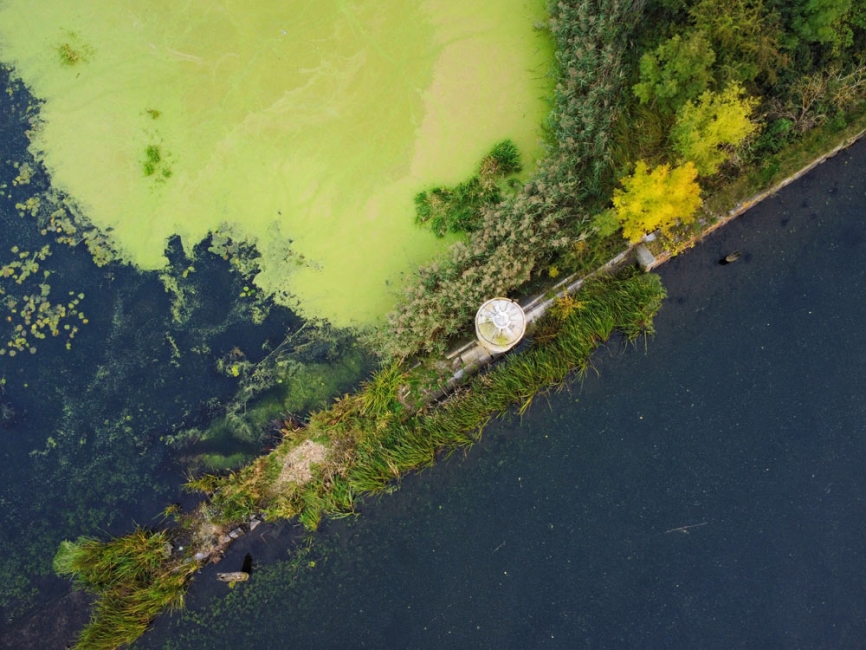
Harmful algal blooms have become one of the most pressing water quality problems in many regions, and their rise has been linked to a complicated blend of ecological, climatic, and human factors. In freshwater systems, these blooms are most often caused by cyanobacteria, commonly known as blue green algae, although similar events involving other algal species occur in coastal and marine environments. A harmful algal bloom occurs when these organisms grow so rapidly that they overwhelm the natural balance of a lake, river, reservoir, or estuary. The blooms can produce toxins, block sunlight, deplete oxygen, and disrupt aquatic ecosystems. They also affect public health, drinking water supplies, recreation, and local economies, which is why scientists and environmental agencies pay close attention to their frequency and severity.
Several conditions encourage the formation of these blooms. Warm water temperatures, extended periods of sunlight, and stable water columns all make it easier for algae to reproduce quickly. Human activity, however, provides the greatest boost because most water bodies now receive elevated levels of nutrients such as nitrogen and phosphorus from their surrounding watersheds. Agricultural runoff, wastewater discharges, malfunctioning septic systems, lawn fertilizers, and eroding streambanks all contribute to this excess nutrient load. Once nutrient levels rise, algae respond almost immediately. The result is a rapid surge in biomass that can turn clear water into thick, green, often foul smelling scum.
One factor that has gained increasing attention is the impact of road salt usage on freshwater ecosystems. Road salt, primarily sodium chloride, is applied heavily in cold climates to maintain safe winter driving conditions. Each spring, melting snow carries a portion of this salt into nearby streams, wetlands, ponds, and lakes. Although sodium chloride is not a nutrient in the traditional sense, high salt concentrations alter water chemistry in ways that indirectly intensify nutrient pollution. Elevated chloride levels can change the density and structure of lake water, which slows natural mixing that would normally distribute nutrients through the water column. This lack of mixing traps nutrients in surface layers where algae can easily access them. Studies have also shown that road salt can release phosphorus from lake sediments by shifting chemical reactions at the bottom of water bodies. Once released, this phosphorus moves into the water column, adding to the already high nutrient load that fuels harmful algal blooms.
In addition to destabilizing natural water cycles, salt affects the organisms that help control nutrient levels. Freshwater zooplankton, which graze on algae and keep their populations in check, are sensitive to increased salinity. When chloride concentrations rise, zooplankton populations decline, removing a natural control on algal growth. Salt stressed wetlands also lose vegetation that would normally trap and filter nutrients before they reach open water. As these natural buffers weaken, more runoff travels directly into lakes and streams, creating a cumulative effect that makes harmful algal blooms more likely.
The consequences of these blooms are far reaching. Many cyanobacteria produce toxins known as cyanotoxins, which can cause skin irritation, gastrointestinal illness, liver damage, and neurological effects in humans and animals. Dogs are particularly vulnerable because they may swim in contaminated water or ingest algae along the shoreline. Blooms also disrupt aquatic ecosystems by blocking sunlight, killing rooted aquatic plants, and reducing oxygen as the algae die and decompose. Large fish kills often follow. Municipal water systems may be forced to shut down intakes or rely on expensive treatment methods, and lakes that once supported tourism, fishing, and recreation can experience long periods of closure or restrictions.
Climate change adds another layer of complexity. Warmer air temperatures lead to warmer water, and intense rainfall events deliver greater volumes of nutrient rich runoff. Longer growing seasons and extended periods of water column stability give algae more time to thrive. Even areas that historically did not experience harmful algal blooms now face regular outbreaks because the combined effects of warming, nutrient loading, and road salt accumulation create ideal conditions for their formation.
Efforts to manage harmful algal blooms focus on reducing nutrient inputs at their sources. This work includes improving agricultural practices, upgrading wastewater treatment systems, encouraging the use of phosphorus free lawn fertilizers, restoring wetlands and riparian buffers, and repairing or replacing failing septic systems. Municipalities also play an important role in managing winter road salt. Calibrated spreaders, real time application adjustments, brine pretreatment, and careful storage practices can reduce the volume of salt applied without compromising road safety. Public works departments and state transportation agencies have begun adopting these strategies for financial and environmental reasons because road salt is expensive and its ecological effects are increasingly undeniable.
Protecting water quality requires attention to the entire watershed and recognition that everyday decisions have downstream consequences. Harmful algal blooms may appear suddenly on the surface of a lake, but their origins lie in land use patterns, climate trends, and infrastructure choices that accumulate over decades. As communities learn more about how road salt, nutrient pollution, and warming conditions interact, they can adopt more sustainable practices that balance public safety with environmental stewardship. Preventing these blooms is far easier and far less costly than responding to them after they have taken hold, and the benefits extend to wildlife, drinking water supplies, recreational opportunities, and the overall health of local ecosystems.