

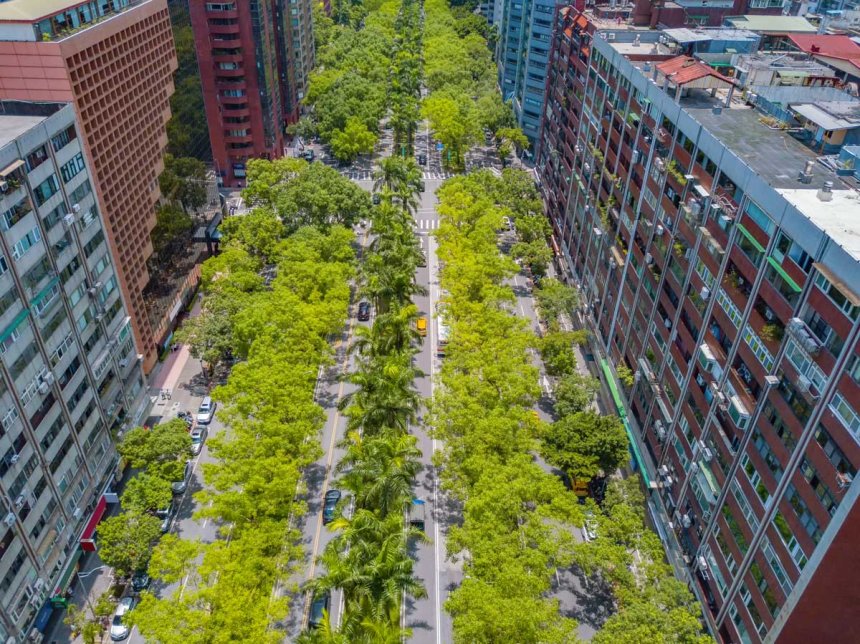
Green infrastructure has become one of the most effective approaches for managing stormwater while improving the health and resilience of our communities. Rather than relying solely on traditional "gray" infrastructure such as pipes, culverts, and concrete channels to move stormwater downstream as quickly as possible, green infrastructure works with nature. By capturing, slowing, infiltrating, filtering, and evapotranspiring stormwater where it falls, these practices more closely mimic the natural water cycle.
Beyond reducing runoff and improving water quality, green infrastructure provides numerous co-benefits, including groundwater recharge, flood reduction, urban cooling, wildlife habitat, improved air quality, and enhanced community aesthetics. Many municipalities also rely on green infrastructure to help meet MS4 permit requirements and other stormwater management goals.
The following are some of the most common and effective elements of modern green infrastructure.
Rain gardens are shallow landscaped depressions designed to collect runoff from rooftops, driveways, sidewalks, parking lots, and other impervious surfaces. Unlike ordinary flower beds, rain gardens are constructed using engineered soils, mulch, and carefully selected vegetation that allows water to infiltrate into the ground while filtering pollutants. Properly designed rain gardens temporarily store stormwater before it soaks into the soil, reducing runoff volume and helping recharge groundwater supplies. During this process, sediments settle out, nutrients are absorbed by plants, and soil microorganisms break down many contaminants.
Rain gardens are particularly effective at reducing sediment, phosphorus, nitrogen, hydrocarbons, and certain heavy metals commonly found in urban runoff.
Typical applications: Residential developments, municipal buildings, schools, parks, libraries, and commercial properties.
Bioswales are long, gently sloping vegetated channels that collect, convey, and treat stormwater runoff. While they resemble traditional roadside ditches, bioswales are specifically engineered with permeable soils, native vegetation, and gradual slopes that encourage infiltration and pollutant removal. As stormwater moves through a bioswale, vegetation slows water velocities, allowing sediment to settle while plants and soil microbes remove nutrients and other pollutants. This process reduces erosion while improving downstream water quality. Bioswales can also reduce the burden on conventional storm sewer systems during heavy rainfall.
Typical applications: Roadways, parking lots, commercial developments, campuses, subdivisions, and transportation corridors.
Green roofs consist of living vegetation installed over a specially engineered roofing system. These systems typically include a waterproof membrane, root barrier, drainage layer, lightweight growing media, and drought-tolerant vegetation. By absorbing rainfall where it lands, green roofs reduce both runoff volume and peak discharge rates. They also provide insulation that lowers building energy consumption while helping mitigate the urban heat island effect. In densely developed urban areas where land for traditional stormwater practices is limited, green roofs offer an effective way to manage stormwater without consuming valuable ground space.
Typical applications: Municipal buildings, schools, apartment buildings, hospitals, office buildings, and commercial developments.
Permeable pavement allows rainfall to pass through the pavement surface into an underlying stone reservoir, where it either infiltrates into the soil or is slowly released. Unlike conventional pavement, these systems significantly reduce runoff while filtering pollutants. Several permeable pavement options are available, including porous asphalt, pervious concrete, permeable interlocking concrete pavers, and permeable grid systems. When properly designed and maintained, permeable pavement can reduce localized flooding, improve water quality, and decrease the need for traditional storm sewer infrastructure.
Typical applications: Parking lots, sidewalks, pedestrian plazas, residential streets, trails, and low-volume roadways.
Trees are among the most valuable components of green infrastructure. Their leaves intercept rainfall before it reaches the ground, while their root systems improve soil structure and promote infiltration. Trees also return significant amounts of water to the atmosphere through evapotranspiration. A healthy urban tree canopy provides numerous additional benefits, including cooler summer temperatures, improved air quality, wildlife habitat, carbon sequestration, and enhanced property values. Street trees, tree pits, tree trenches, and larger urban forests all contribute to more effective stormwater management.
Typical applications: Streetscapes, parks, campuses, residential neighborhoods, downtown districts, and greenways.
Constructed wetlands are engineered systems that use wetland vegetation, shallow water, soils, and natural biological processes to treat stormwater runoff. As water slowly moves through the wetland, suspended sediments settle out while plants, microbes, and soils remove nutrients, pathogens, and other contaminants. These systems also provide temporary stormwater storage, reducing downstream flooding during major rain events. Constructed wetlands frequently become valuable wildlife habitat, supporting birds, amphibians, pollinators, and aquatic organisms.
Typical applications: Municipal stormwater treatment facilities, large commercial developments, residential subdivisions, industrial sites, and watershed restoration projects.
Riparian buffers are naturally vegetated areas located alongside streams, rivers, lakes, and wetlands. They serve as one of the most effective natural defenses against nonpoint source pollution. Healthy riparian buffers stabilize streambanks, reduce erosion, filter sediments and nutrients before they enter waterways, moderate stream temperatures through shading, and provide critical habitat for fish and wildlife. Maintaining or restoring riparian buffers is often one of the most cost-effective ways to improve watershed health and protect receiving waters.
Typical applications: Stream restoration projects, watershed management programs, agricultural lands, parks, conservation easements, and floodplain protection.
Tree trenches and tree boxes are engineered systems that combine urban street trees with underground soil volumes designed to capture and infiltrate stormwater. Water enters through curb openings, catch basins, or surface inlets and is stored within specially designed soil media that supports healthy tree growth. These systems help reduce runoff while extending the lifespan and health of urban trees. They are particularly valuable in dense downtown environments where conventional green infrastructure practices may not fit.
Typical applications: Downtown streetscapes, parking lots, commercial districts, and urban redevelopment projects.
Vegetated filter strips are gently sloping areas of dense vegetation that receive sheet flow from adjacent impervious surfaces. As runoff flows across the vegetation, sediment settles out while pollutants are filtered before reaching nearby waterways or drainage systems. Although relatively simple, filter strips are highly effective when runoff enters as shallow sheet flow rather than concentrated channels.
Typical applications: Road shoulders, parking lot edges, parks, athletic fields, and agricultural interfaces.
While each practice provides benefits on its own, green infrastructure is most effective when multiple practices work together throughout a watershed. A rain garden may capture rooftop runoff, bioswales can treat roadway drainage, permeable pavement reduces runoff from parking areas, and constructed wetlands provide downstream polishing before water enters local streams. This layered approach distributes stormwater management across the landscape instead of relying on a single detention basin or underground pipe network. The result is reduced flooding, cleaner waterways, healthier ecosystems, and infrastructure that is often more adaptable to changing climate conditions.
Communities that invest in green infrastructure are investing in long-term resilience. By combining natural processes with thoughtful engineering, these practices reduce stormwater impacts while creating greener, healthier, and more attractive places to live and work.