

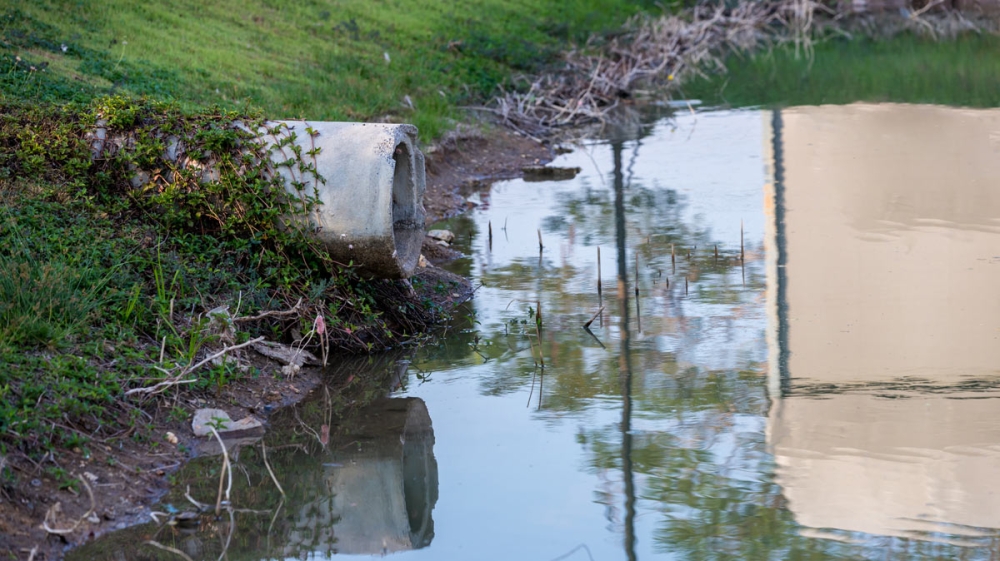
A stormwater outfall is the point where a storm-drain system, whether pipes, ditches, or channels, discharges runoff to a receiving water such as a stream, wetland, lake, or the ocean. Regulatory guidance clarifies that simple cross-road culverts, which only pass flow beneath a roadway, are not outfalls, while structures that empty directly to waters of the United States are(www3.epa.gov).
In most communities the runoff that enters an MS4 (Municipal Separate Storm Sewer System) receives little or no treatment before leaving the outfall, so any pollutants picked up along streets and parking lots reach local waters unchanged(epa.gov). This untreated discharge is a leading source of water-quality impairment, habitat degradation, and urban flooding(www3.epa.gov). Typical contaminants include sediment, nutrients, hydrocarbons, metals, and bacteria, all of which threaten aquatic life and public health(istormwater.com).
| Category | Typical setting | Key features |
|---|---|---|
| Free-discharge pipe outfall | Storm sewers, culverts | Circular or box pipe; may terminate with a concrete headwall or a flared-end section for stability and maintenance access(douglas.co.us) |
| Energy-dissipating outfall | High-velocity or steep pipes | Adds riprap aprons, stilling basins, baffle blocks, or drop structures to reduce scour and erosion at the discharge point(douglas.co.us) |
| Open-channel / swale outfall | Rural roads, green infrastructure | Runoff leaves a grassed or rock-lined ditch into a stream; drop inlets that empty to a channel become outfalls at the channel’s confluence with the water body(www3.epa.gov) |
| Submerged (tidal or marina) outfall | Coastal towns, estuaries | Diffuser or single port discharges below low-tide elevation; design must account for marine fouling and backflow protection(cms.tacoma.gov) |
| Marine or ocean outfall | Large coastal MS4s or combined systems | Long submarine pipeline that releases flow offshore, often through multi-port diffusers to maximize dilution(en.wikipedia.org) |
| Overflow / weir outfall | Detention and retention basins | An overflow weir or orifice conveys excess water from a BMP directly to a stream once storage is full (also regulated as an outfall)(www3.epa.gov) |
Local manuals sometimes group these types differently, the essential point is the conveyance form (pipe, channel, diffuser) and any energy-management feature attached.
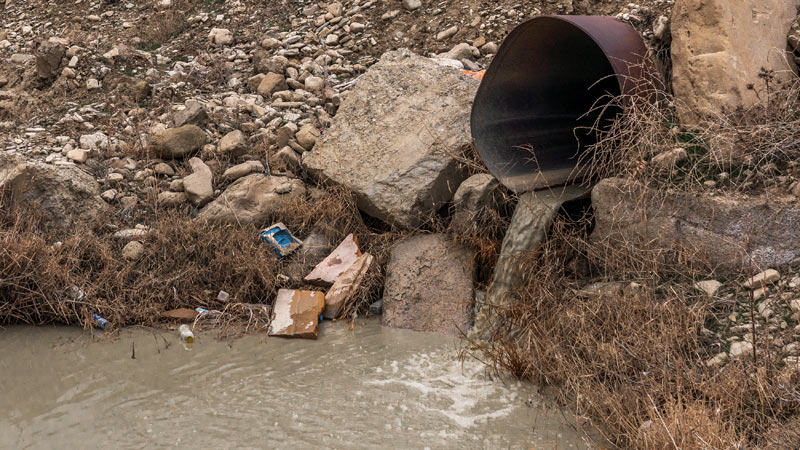
Water-quality degradation – Short-term spikes in metals, nutrients, hydrocarbons, and bacteria during storms and long-term cumulative loading afterward impair receiving waters(www3.epa.gov).
Physical channel damage – Concentrated high-velocity jets erode banks and beds, widen channels, and bury habitat in excess sediment(www3.epa.gov).
Habitat alteration – Elevated flow volumes, scouring, and thermal shifts reduce macroinvertebrate and fish diversity and simplify stream structure(www3.epa.gov).
Public-health risks – Pathogens washed from streets and infrastructure can contaminate recreation areas and shellfish beds, leading to closures and illness(www3.epa.gov).
Coastal concerns – Submarine outfalls may rely on dilution, yet buoyant plumes can resurface, and contaminants may bio-accumulate in sediments or marine food webs(en.wikipedia.org).
Energy dissipation and armoring – Design headwalls with riprap aprons, stilling basins, or drop structures sized to local velocities and tail-water depths.
Green upstream controls – Bioretention, permeable pavement, infiltration trenches, and detention basins cut peak flow and pollutant loads before they ever reach the outfall.
Backflow and tidal gates – In tidal zones, flap gates or duckbill valves prevent saltwater intrusion and debris accumulation while allowing stormwater discharge.
Outfall mapping and monitoring – Phase II MS4 permits require municipalities to inventory outfalls, screen them for dry-weather flow, and investigate illicit connections; activities that both improve water quality and reduce liability.
Routine inspection and maintenance – Clear debris, manage vegetation, and repair damaged armoring to maintain capacity and limit scour. Coastal outfalls need periodic underwater inspections for diffuser plugging or pipeline damage.
Stormwater outfalls are the critical last link between our built environment and natural waters. Their form, pipe, channel, or submarine diffuser, determines how energy and pollutants enter a stream, lake, or ocean. Thoughtful design that combines robust structural details with upstream green infrastructure, supported by regular inspection and regulatory compliance, can significantly reduce the environmental footprint of these often-overlooked discharge points.